A model that combinesemployment, housing, and development
LUTERRA is an integrated approach to restoring economic activity through the combination of production, housing infrastructure, and a growth environment.
The Core Concept
The LUTERRA model is built on the principle of interconnected development: economic activity, housing, and the social environment are shaped simultaneously, functioning as a unified system.
Economic Component Industrial
Creating jobs, launching manufacturing, and supporting entrepreneurship
Residential Component EcoLiving
Developing affordable housing as part of an economic system that ensures stability and opportunities for growth
Community Component Social
An environment for interaction, learning, and support that fosters integration and development
How it works
The components of the model do not exist in isolation
Jobs create income and an economic foundation
Housing provides stability and reduces costs
Environment fosters connections, development, and mutual support
In combination, this creates the conditions under which an individual can not only recover, but also thrive.
What makes it different
Traditional approaches
Separation of housing, work, and social support
Temporary solutions
Focus on assistance
LUTERRA
Integrated model
Long-term development
Focus on economic activity
Model Impact
Job Creation
Establishing new businesses and manufacturing
Restoring Economic Activity
Development of small and medium businesses
Community Development
Expanding the tax base
Reducing the Social Burden
Economic integration rather than temporary placement
From Logic to Architecture: The LUTERRA Structure
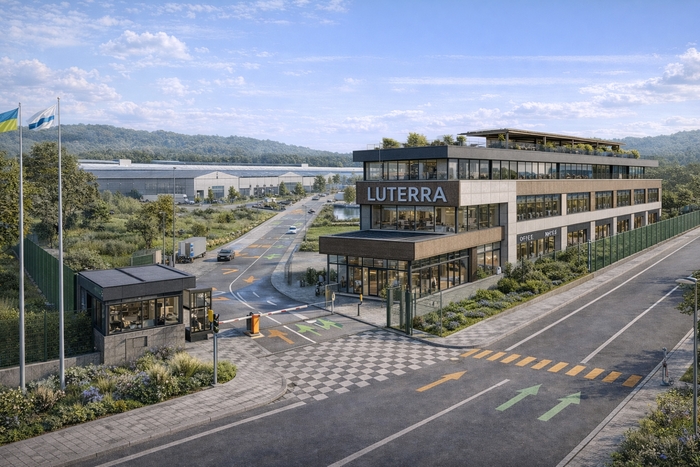
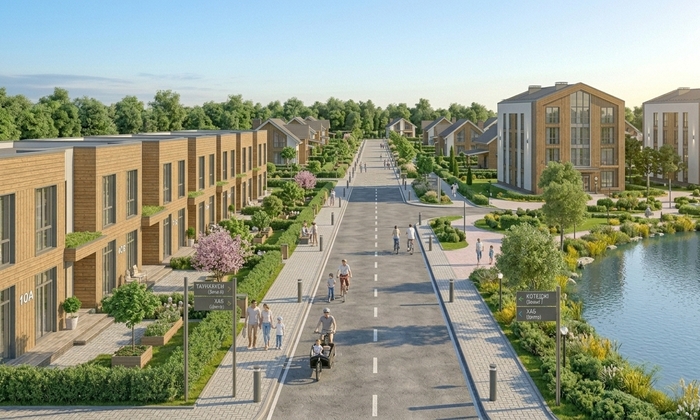
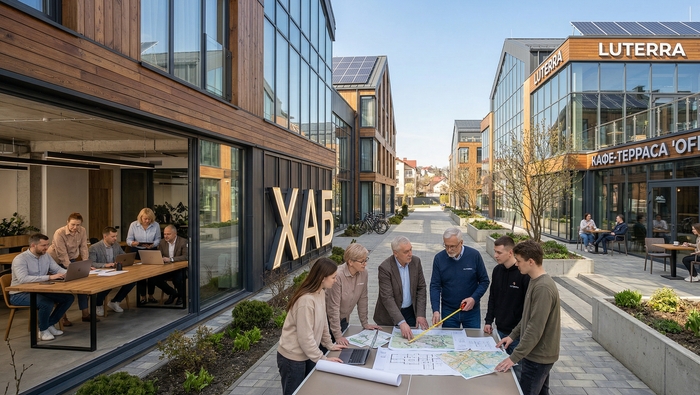
This integrated model finds its physical manifestation in clearly defined functional blocks. They shape the architectural and organizational structure, where every element works toward a common goal.
This exact logic became the foundation of the project model.

 Traditional approaches
 LUTERRA